Arielle Cole | Founder & CEO of Arid Blayne
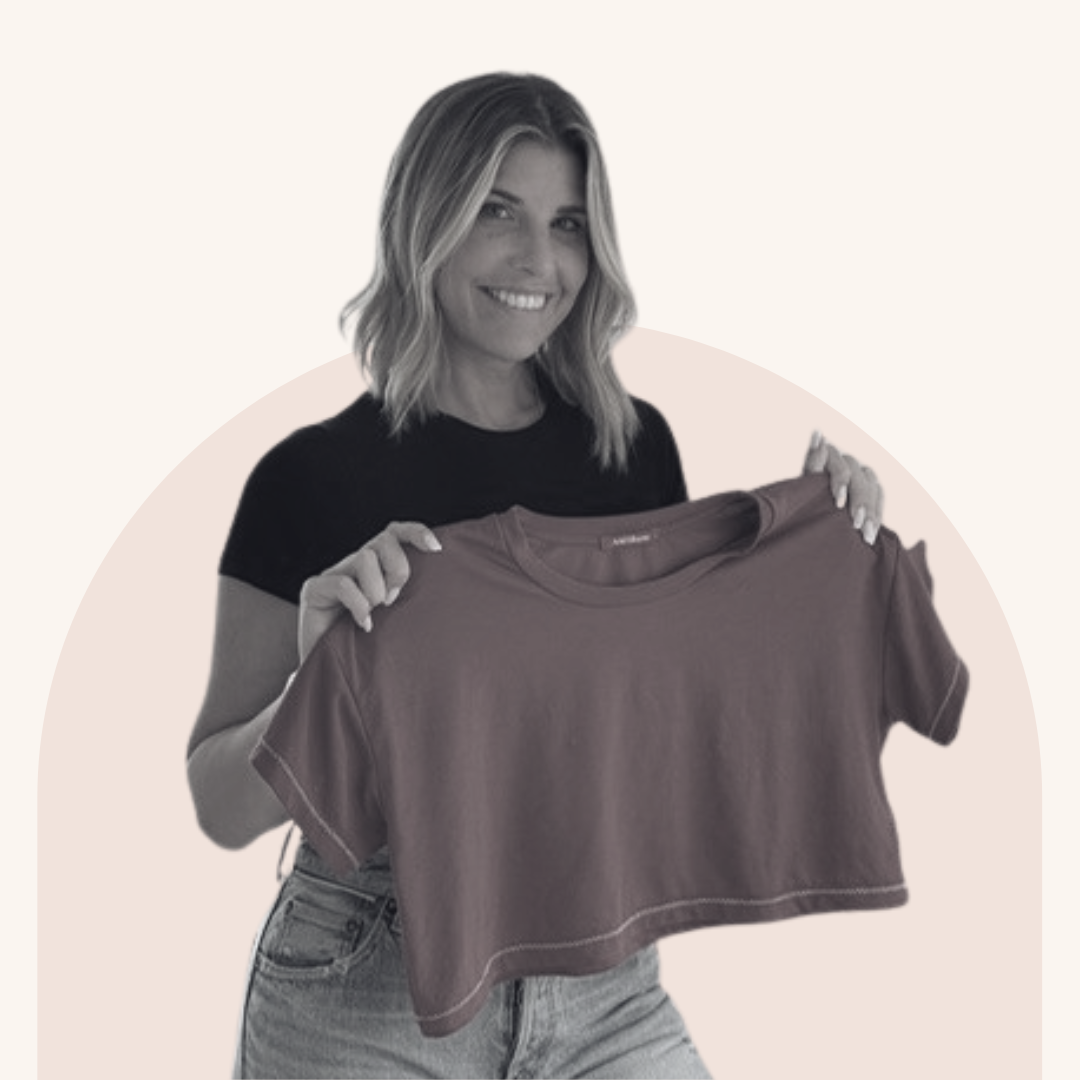
A conversation with Arielle Cole, Founder and CEO of Arid Blayne, on transforming a deeply personal mental health experience into purposeful innovation, opening honest conversations about women’s changing bodies, and designing comfort without asking women to sacrifice confidence or style.
Can you take us back to a time when you were struggling privately while appearing to keep everything together? What helped you realize you didn't have to keep carrying it in silence?
I was suffering in silence at home. Every day, I used every ounce of energy I had just to make it through work, then I would come home, go straight to bed, and try to recover enough to do it all over again the next day. It wasn't until I realized that simply surviving wasn't living—and that no one knew how much I was struggling because I had never spoken about it—that I understood my silence needed to change.
What changed when you were finally able to name what you had been experiencing, and how did that understanding make it feel safer to speak about it?
Growing up, mental health wasn't something that was openly discussed, so I learned to internalize what I was feeling instead of talking about it. I spent years in therapy, beginning in high school, knowing something didn't feel right but never receiving a diagnosis. I assumed this was just how life felt for everyone, and because no one was telling me otherwise, I kept pushing through, believing I simply needed to try harder.
As I got older, my sense of psychological safety grew alongside my understanding of mental health. Receiving a diagnosis of depression was a turning point—not because it changed who I was, but because it finally gave a name to what I had been experiencing for so long. It helped me realize that struggling wasn't a personal failure, and that asking for help wasn't a sign of weakness. Finding the language to describe my experience gave me permission to speak openly, and in doing so, I discovered that vulnerability creates connection and helps others feel less alone.
How did opening up about what you had been going through change the way your community showed up for you?
The people who showed up for me the most were my friends. Once I was finally diagnosed with depression, I made the decision to tell them what I had been going through. Almost every one of them had the same reaction: they were shocked. I had become so good at hiding my struggles that no one realized I was suffering in silence. I think it was a wake-up call that if someone who seemed happy, successful, and put together could be struggling, it could happen to anyone.
That honesty changed our friendships for the better. We stopped asking surface-level questions like, "How are you?" and started having more meaningful conversations. They checked in with me differently, asking what was really going on, how I was actually feeling, and creating space for honest answers instead of automatic ones. In turn, it gave all of us permission to be more vulnerable with each other. Our friendships became deeper because we learned that showing up isn't about having the right advice—it's about creating a safe space where someone feels seen, heard, and never has to carry the weight alone.
How has learning that you don't have to carry difficult moments alone influenced the kind of leader you want to be?
I've experienced emotional equity most clearly through the relationships I've built with my closest friends and, more recently, within my company. After opening up about my depression, I no longer felt like I had to carry everything on my own. My friends created space for honest conversations, checked in with intention, and reminded me that I didn't have to face difficult moments by myself. Simply knowing that someone was willing to share the emotional weight made it much easier to ask for help and to speak openly about what I was experiencing.
That experience has also shaped how I lead Arid Blayne. I want to build a culture where people feel comfortable saying they're struggling before they reach a breaking point, where vulnerability is met with support rather than judgment, and where asking for help is seen as a strength. When people know they don't have to carry everything alone, they're more likely to speak up, support one another, and bring their full selves to the table. That's what emotional equity means to me—not eliminating challenges, but making sure no one has to navigate them in isolation.
What do you hope sharing your story makes easier for the woman who may still be struggling quietly and believing she has to hold everything together?
For me, the shift began the moment I realized I didn't have to hide what I was going through. For years, I believed I had to appear strong, successful, and capable, even while privately struggling with depression. Speaking openly about my diagnosis changed not only how I saw myself, but also how the people around me showed up for me. It reminded me that silence often protects stigma, while vulnerability creates connection.
Today, I hope my voice helps normalize conversations around mental health, especially for women who feel they have to keep it all together. If sharing my story encourages even one person to seek help sooner, have a more honest conversation with a friend, or realize they aren't alone, then speaking up has been worth it. My hope is to help create a world where asking for support is seen as courage, not weakness, and where no woman feels she has to suffer in silence the way I once did.
“Finding the language to describe my experience gave me permission to speak openly, and in doing so, I discovered that vulnerability creates connection and helps others feel less alone.”
About Arielle
Arielle Cole is the founder and CEO of Arid Blayne, a performance sleepwear brand redefining the category with innovative cooling fabrics and the patent-pending Lasso Pant, designed to help hot sleepers and those experiencing night sweats sleep more comfortably. Inspired by her own experience with medication-induced night sweats, she launched Arid Blayne to bring technical innovation, elevated design, and purpose-driven storytelling to an industry that had seen little meaningful change.
Connect Further
Website: http://aridblayne.com | Instagram: @aridblayne