
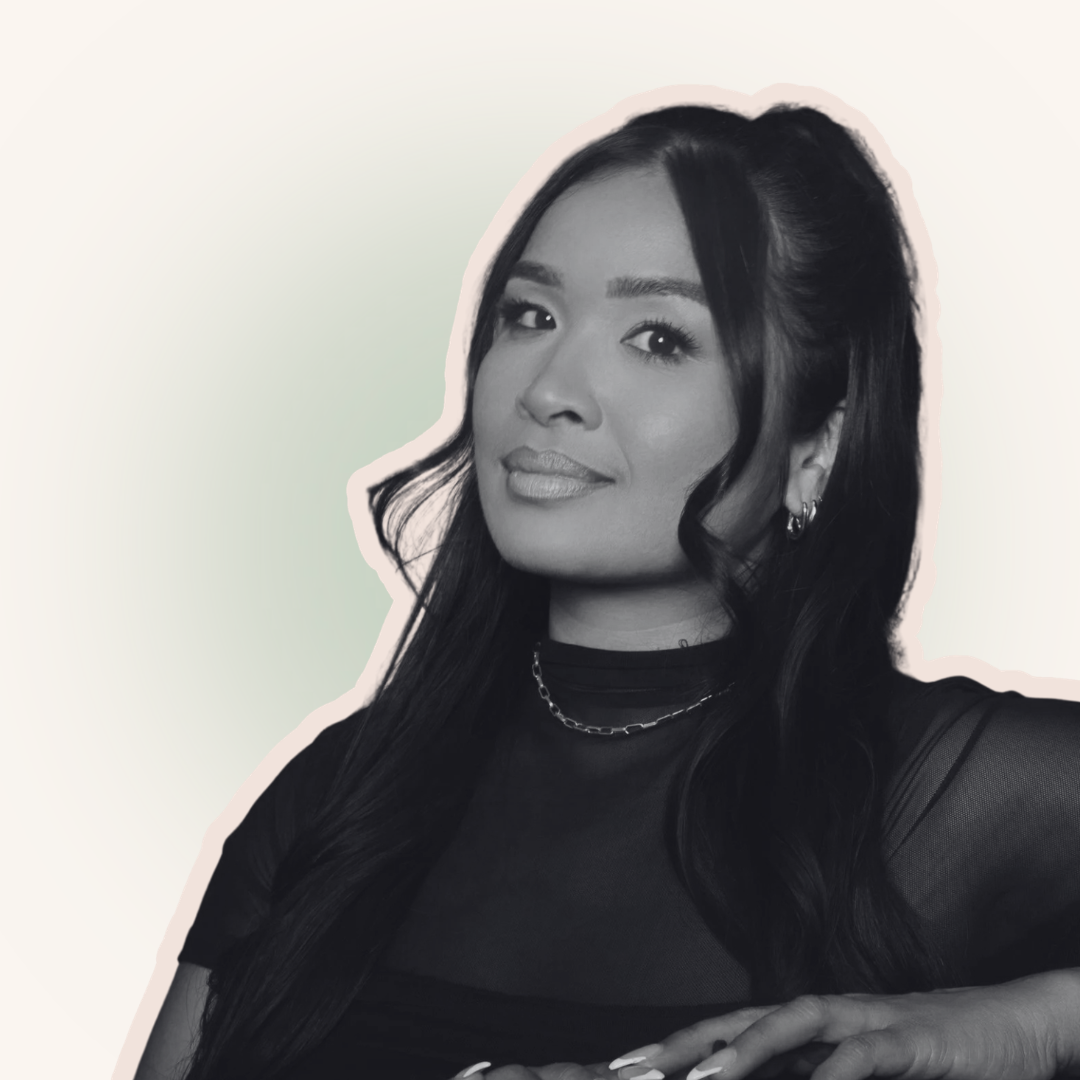
A conversation with Alyssa “Lia” Mancao, on healing inherited patterns, embracing rest and joy, and why meaningful change begins with the way we relate to ourselves and others.
What has this era of life been inviting you to practice?
What I’m making more room for right now is creating space for rest, hobbies, joy, and play.
Growing up in a culture and environment that constantly emphasized productivity and achievement, it can feel uncomfortable to say, "I'm not doing much today," or "I'm only going to accomplish a portion of my to-do list." For a long time, I believed that every open space needed to be filled with something productive.
When I first started creating more room for rest, I was actually surprised by how uncomfortable all that free time felt. I found myself immediately looking for ways to fill it. At one point, I caught myself browsing job listings simply because I had created extra space in my schedule and didn't know what to do with it.
Then I realized that was the opposite of what I had intentionally created this season for.
Right now, the work is trusting that it's okay to slow down. It's trusting that I don't always need another project, another goal, or another venture. It's learning to simplify my life and reconnect with the parts of myself that don't always get center stage, especially the playful, joyful, and restful parts.
How can we tell the difference between a pattern that's protecting us and one that's holding us back?
I wish more people understood that many of the patterns they carry developed for a reason.
At some point, those patterns likely protected them from hurt, rejection, abandonment, disappointment, or uncertainty. They helped them survive difficult experiences and navigate relationships the best way they knew how.
The question isn't whether those patterns were helpful in the past. The question is whether they're helping now.
I encourage people to get curious about the patterns they notice in themselves. Where did I learn this? What is this pattern trying to do for me? What's the earliest memory I have of relating to others in this way? Is this helping me grow? Is it helping me deepen my relationships?
When we approach our patterns with curiosity instead of judgment, we can begin to understand what parts of ourselves we've been trying to protect and whether those strategies still serve us in this season of life.
What ripples become possible when someone starts trusting themselves more deeply?
Healing absolutely creates ripples.
When someone begins trusting themselves and healing old patterns, they're not only improving their own relationships, they're modeling a different way of being for everyone around them.
They show others what it looks like to communicate more openly, approach relationships with greater kindness, and move through the world in a more grounded and intentional way. And those behaviors are contagious.
When we witness someone communicating differently, showing up differently, or relating more authentically, it often inspires us to ask ourselves what's possible for us, too.
One thing I often tell people is that breaking cycles doesn't only happen vertically through future generations. We can also break cycles laterally, through our friendships, communities, relationships, and everyday interactions.
We never fully know who is being impacted by the way we show up. When we take responsibility for our own healing, we often inspire others to do the same.
Why do women need places where they can soften, exhale, and simply be themselves?
People need spaces where they feel safe, seen, and heard.
For women especially, spaces created by and for women can be incredibly important because they provide opportunities to share experiences that are often deeply connected to the realities of being a woman. There are so many expectations we carry around emotional labor, mental load, caregiving, and responsibility that can feel isolating when we're carrying them alone.
When women come together in healing-centered communities, they're able to name those experiences, challenge the beliefs they've been conditioned to accept, and support one another through that process. That's where stigma begins to break down and healing becomes possible.
I believe sisterhood matters. Community matters. Representation matters.
When people see themselves reflected in the stories, experiences, and leadership of others, it reminds them that they are not alone. It creates spaces where people can finally relax their shoulders, let their guard down, and stop feeling like they have to be strong all the time.
Organizations like SeekHer play a critical role in bridging the gap between important conversations and the communities that need them most. They create spaces, both virtual and in person, where people can connect, access meaningful resources, learn from experts, and talk about things they may not feel safe discussing elsewhere.
That's why investing in these spaces matters. When we invest in representation, connection, and community, we're investing in the collective mental health and well-being of all of us.
“Breaking cycles doesn’t only happen vertically through future generations. We can also break cycles laterally, through our friendships, communities, relationships, and everyday interactions. ”
Learn More About Lia
Alyssa “Lia” Mancao is a licensed clinical social worker and psychotherapist based in Los Angeles. She earned her Bachelor’s degree in Sociology with a concentration in Social Work from Cal Poly Pomona, and her Master’s in Social Work from the University of Southern California.
For over a decade, she’s worked with individuals navigating anxiety, depression, trauma, and challenges related to self-esteem, relationships, and identity. Her clinical experience spans community mental health, residential treatment, and private practice, including work with children, adolescents, adults, and families. She is trained in Cognitive Behavioral Therapy (CBT) and Eye Movement Desensitization and Reprocessing (EMDR), and her work is deeply informed by a psychodynamic and relational lens.
Lia is a Filipina immigrant who moved to the United States at a young age, an experience that continues to shape how she understands identity, culture, and the ways our environments impact our mental and emotional well-being. Today, she primarily works with adults, supporting them in understanding patterns, building self-trust, and creating more intentional and aligned lives.
Connect Further